
Being hit by a drunk driver is traumatic. These reckless drivers are known for causing catastrophic injuries and death when they crash into unsuspecting motorists. Fortunately, you can make them pay for their negligence.
But the drunk driver may not be the only one responsible for your car accident. If they were overserved, you might be able to sue the bar or other establishment that enabled and supported their intoxication and subsequent driving. These reckless bars and restraints failed to protect the public and their patron from the known consequences of drunk driving. And they should be held accountable.
An experienced car accident lawyer in Houston can answer your questions and explain if a lawsuit against the drunk driver and negligent bar is warranted.
Call The Krist Law Firm, P.C. at (281) 283-8500 to discuss your options and what compensation you may be entitled to. We offer free initial consultations and don’t get paid unless you get compensation.
When To Call a Car Accident Lawyer After a DWI Crash
Many car accident victims aren’t sure whether they should call a lawyer. For car accidents caused by drunk driving, you may not know what your legal options are.
Depending on the details, your options include:
- Filing a claim with the drunk driver’s auto insurer
- Filing a claim with your own auto insurer – if you carry personal injury protection coverage
- Filing a civil lawsuit against the drunk driver
What Is Dram Shop Liability in Texas?
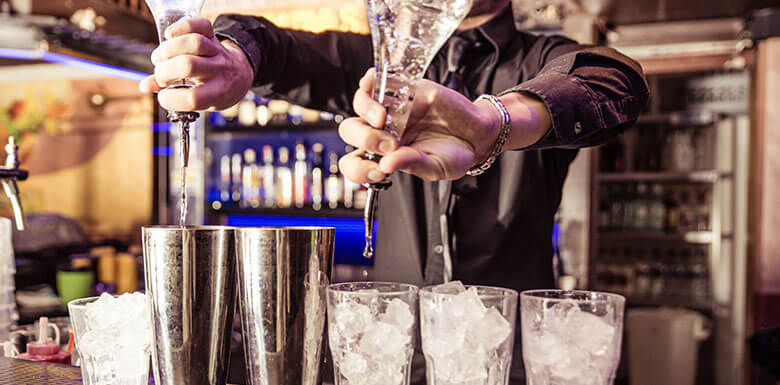
Drunk drivers often get that way because they have been overserved at a bar, restaurant, or club. When this happens, you may also have the right to hold these establishments – known as dram shops – accountable.
Under Texas law, dram shops are not required to carry liquor liability insurance coverage. But if the bar does have insurance, you could file a claim with their insurance provider. This could help you recover a portion of your losses. The rest you can seek in a civil claim against the dram shop.
Proving Dram Shop Liability
You can win a car accident lawsuit against a dram shop for overserving a patron. But your lawyer will need to prove that the accused parties knew that the patron was intoxicated and continued serving them anyway.
A server, bartender, cashier, or dram shop will rarely admit that they overserved a patron. Instead, your car accident lawyer will need to use other evidence to support your case.
For example, we might present witnesses who saw the bartender serve the patron who was already slurring his words. Or we could present toxicology reports from experts who can testify that the patron was inebriated when he was served.
After reviewing the details of your case, your lawyer can give you a better idea of what to expect.
Compensation for Alcohol-Involved Car Accident Injuries
As a car accident victim, you are probably wondering what your award will be. You will get a more specific idea once you begin working with your car accident lawyer. But in the meantime, you can take a closer look at some of the ways you can be compensated.
You are entitled to “be made whole.” This means you should be repaid for every way your life has been affected by your injuries. You may know you can be compensated for your economic damages. These are the financial losses you suffered and could include:
- Medical expenses
- Costs of medical equipment
- Lost income
- Diminished earning capacity
- Costs of household maintenance
- Costs of childcare
- Other monetary losses
But you may be surprised to learn that you can recover non-economic damages. These are ways your life has been affected that do not involve money. Some of the losses you could recover in your dram shop liability claim include:
- Lost quality of life
- Loss of companionship and love
- Scarring
- Disfigurement
- Inconvenience
- Reputational damage
- Pain and suffering
- Emotional distress
It will be up to your car accident lawyer to account for every loss. This will ensure that you are getting the most out of your claim.
A Car Accident Lawyer in Houston Can Help
When a drunk driver has hit you, you deserve justice and maximum compensation for the harm they caused. That means making sure all at-fault parties pay for their negligence. And this includes reckless servers, bartenders, bars, restaurants, and other places that sell alcohol.
Ready to get started? Call an experienced Houston car accident lawyer at The Krist Law Firm, P.C. for help. Schedule your free, no-obligation consultation when you fill out our quick contact form or call our office at (281) 283-8500.